

Creartful AISearch and AI answers
Found in search. Cited in AI answers.
SEO and AEO run as one program inside your workspace: your Search Console, analytics, Merchant Center and Business Profile data read together, the fixes drafted from it, and a person approving every change.
Start from the source
AEO is good SEO, done thoroughly.
There is no secret file and no special markup for AI answers. Google says so in its own guidance on AI features, and we build on that.
“No additional requirements to appear in AI Overviews or AI Mode.”
“No special schema.org structured data that you need to add.”
Structured data and a Merchant Center feed together maximize eligibility for shopping experiences.
What that means for your site
Pages that can be crawled, content in text rather than images, clear internal links, structured data that matches what the page says, and a product feed that matches the store. That is the work. We do it thoroughly, keep it current every month, and check how AI tools describe you.
One program, five surfaces
Where people find you now.
Each surface has its own data. Your workspace reads them side by side, so one fix can serve search, AI answers and shopping at once.
Search results.
Search Console shows the queries you appear for, how often you are seen and how often you are chosen. That is where the monthly SEO list starts.
- ReadsSearch Console queries, pages, impressions and clicks
- DraftsTitle and meta rewrites, content updates, internal links
- You approveEvery change before it publishes
AI answers.
AI Overviews, AI Mode, ChatGPT, Perplexity, Gemini and Claude all describe businesses in their answers. We make your pages easy to read and accurate to cite, and check how those tools describe you.
- ReadsYour pages, structured data and AI referral traffic in analytics
- DraftsAnswer-first copy, FAQ content, Organization and Product markup
- ChecksHow AI tools describe you, sampled and reported honestly
Shopping.
Google’s shopping results, including free listings and AI shopping answers, draw on your Merchant Center feed. Thin titles, missing attributes and prices that do not match the page keep products out.
- ReadsMerchant Center feed, diagnostics and your live product pages
- DraftsFuller titles and attributes, fixes for disapproved products
- Keeps in stepPrice and availability across feed, page and markup
Local and maps.
For a local business, the Business Profile and the website have to agree: the same name, hours, services and areas served, with location pages and local markup to match.
- ReadsYour Business Profile details, location pages and local queries
- DraftsLocation and service pages, local business markup, seasonal updates
- Keeps in stepName, address, phone and hours, everywhere they appear
Your own channels.
Search brings people in once. Email, SMS and your CRM bring them back. The same product data and the same voice run through all of it, so a page update and a campaign never disagree.
- ReadsYour email platform, CRM segments and store data
- DraftsCampaigns built from live products, segment-specific copy
- You approveA test send before anything is scheduled
One fix, step by step
From a query to a published change.
A typical SEO task in the workspace, drawn with sample data. Step through it.
Spot it.
The workspace reads Search Console and flags a page that is seen often for a query but rarely chosen. The title does not answer what people searched for.
Seen often, chosen rarely
- Queryrain shell for coastal hikingFlagged
- Page/collections/rain-shellsPosition 6
- Title nowRain Shells | Sample StoreLow CTR
Draft it.
Working from your brand rules and the live collection, the workspace drafts a new title, meta description and an answer-first opening paragraph.
Rain Shells | Sample Store
Rain shells for coastal hiking: light, taped and packable
Meta: Two-layer rain shells with taped seams and a hood that packs into the collar. Sizes and stock shown live.
Review it.
A person at the studio checks the claims against the product data and your rules, then sends it to your approver if your plan says so.
Ship and record.
The change is published and logged. Next cycle, the workspace reads Search Console again to see whether the page is chosen more often.
This cycle
- ChangedTitle, meta and opening copy on Rain shellsApproved
Next cycle
- Re-read Search Console for the same query and page
- Apply the same pattern to Base layers if it holds
Checklists
Three checks we run first.
The groundwork for search, AI answers and shopping. Each one comes from published Google guidance.
01 · Readable by AI
Can it be crawled?
- Robots rules and your host or CDN do not block crawlers
- Important content is in text, not only in images
- Pages are linked from other pages on the site
- Structured data matches what the page says
02 · Feed health
Is the feed complete?
- ID, title, description, link, image, availability and price on every product
- Price and availability match the page and the checkout
- Brand and GTIN where they exist
- Variants grouped, with size and color for apparel
03 · Local basics
Is the profile right?
- Business Profile verified, with categories and hours set
- Name, address and phone the same on the site
- Reviews answered and photos current
- A page for each location or service area
Myth and fact
What holds up, and what does not.
You will hear a lot about AI search. Here is where we stand, and why.
You hear“You need an llms.txt file to show up in AI answers.”
What holds upGoogle says you do not need new machine-readable or AI text files. We add one only if a tool you rely on asks for it.
You hear“There is special schema for AI Overviews.”
What holds upThere is not. Accurate Product, Organization, LocalBusiness and FAQ markup that matches the page is what helps.
You hear“We can get you cited by ChatGPT.”
What holds upNo one can promise that. AI answers change with every prompt and model update. We raise the odds and report what we see.
You hear“You can pay for a better spot on the map.”
What holds upGoogle says there is no way to pay for a better local ranking. Relevance, distance and prominence decide it.
In the changelog
What we report each cycle.
- Search Console clicks, impressions and click-through for the pages we changed
- AI referral visits, tracked as their own channel in analytics
- Merchant Center disapprovals found and fixed
- How AI tools describe you, from a fixed set of sample questions
In writing, up front
What we will not promise.
- A ranking position, on any search engine
- A citation in any particular AI answer
- Traffic or revenue numbers in advance
- A better spot on the map for a fee
Go deeper
Insights for each surface.
Practical, sourced guides to the work on this page.
AEO
What is answer engine optimization?
What it covers, what Google says, and what nobody can promise.
Read the articleSearch data
Reading Search Console, GA4 and Merchant Center together.
Five questions you can only answer with all three.
Read the articleShopping
Product feeds for Google Shopping and AI answers.
The checklist we run first.
Read the articleNext steps
Three ways in.
Book a call to talk it through, ask the help desk a question, or sign in if you are already a client.
Origin Point
Book a discovery call.
One conversation about your site, your tools and the work that repeats.
Book a callHelp desk
Ask a question.
Search the answers, or send a request and a person replies.
Open the help deskClients
Sign in to your portal.
Your changelog, approvals, reports and access.
Client sign-in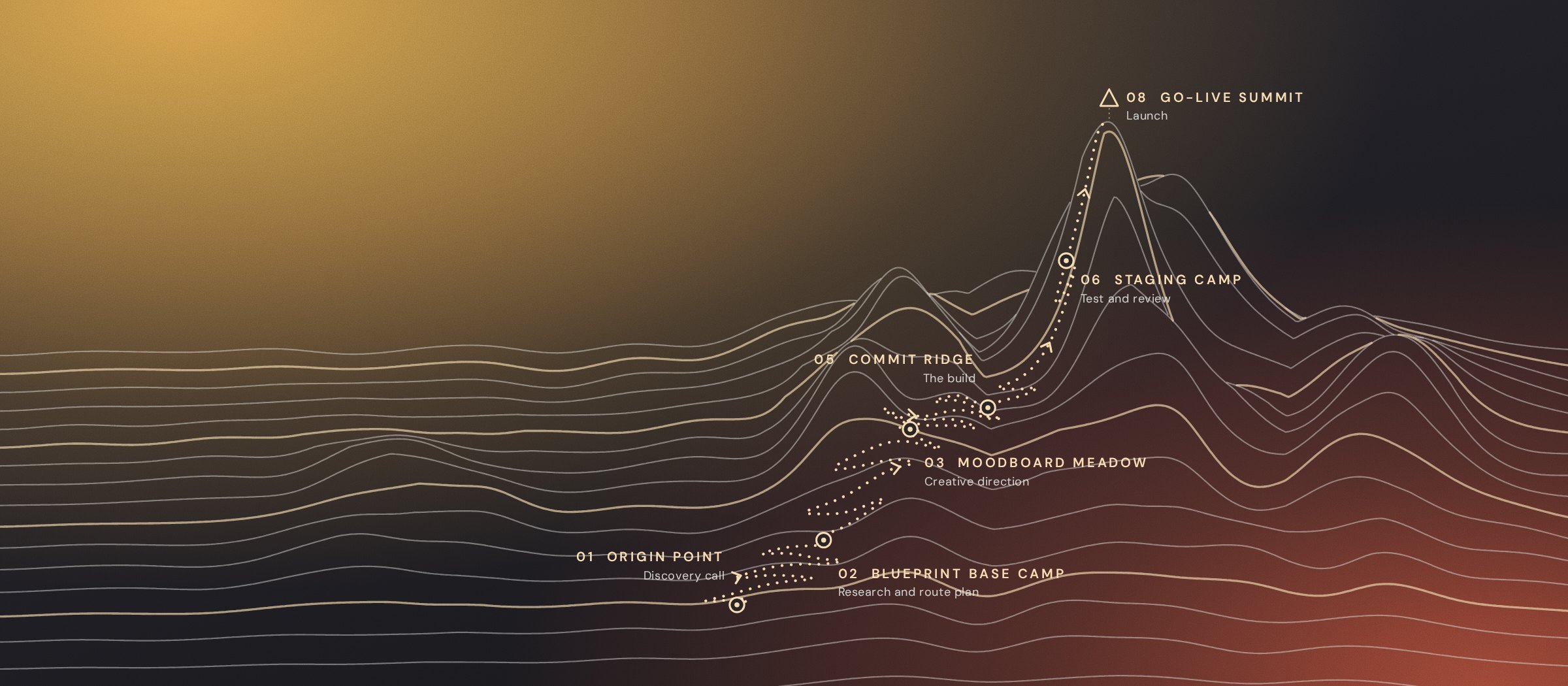
Ready to work together?
Start at the Origin Point.
Bring your Search Console and your site to the discovery call. We will show you where the first fixes are.